The first test you can't be in the room for
A partner at your firm shakes hands with a prospect at a fundraiser near the Capitol. The conversation goes well. That evening, the prospect's chief of staff pulls up your website on a phone. In ninety seconds they decide whether you're a serious firm or a question mark. That is the test every Sacramento website has to pass — the credential check that happens after the relationship opens the door.
This market is unforgiving about unserious presentation. Sacramento's small-business economy is the fastest-growing major market in California: per the 2023 U.S. Census County Business Patterns, Sacramento County counts 32,478 small establishments (1–49 employees) at 20.5 per 1,000 residents, up +2.8% from 2022. More firms competing for the same agency contracts, association retainers and institutional clients — and the buyers doing the choosing work inside government, where government itself is the region's largest industry by employment, over one-third of the city's jobs according to the City of Sacramento. These are professional verifiers. Your website has to survive professional verification.
Designed for Sacramento's actual buyers
Lobbying, advocacy and government-relations firms
The third house — more than 470 registered lobbying firms strong — sells judgment and access. A lobbying shop's website is read by Capitol staff, association executives and out-of-state companies entering the California market. Those readers are checking one thing: is this firm serious enough to represent us in front of a committee? We build sites where the answer is obvious within seconds — practice areas, partner credibility, and contact paths that match how this town actually reaches out.
Trade associations and nonprofits
Your buyers are donors, members and boards — trust audiences, not shopping audiences. A foundation program officer scrutinizes your site the way an auditor scrutinizes a filing: leadership, mission clarity, financial transparency, evidence of impact. We build association and nonprofit sites around that scrutiny, so the organization reads as well run before anyone reads a word of the annual report.
Government contractors
Procurement staff screen vendors before solicitations ever reach them. A contractor's site needs capability statements, past-performance credibility, NAICS clarity and contact information a government buyer can actually use. We structure contractor sites so the procurement officer finds what they need in one visit — because they won't make two.
Farm-to-fork hospitality
Sacramento is America's Farm-to-Fork Capital — declared by former Mayor Kevin Johnson in 2012 after Josh Nelson of Selland Family Restaurants brought the vision to Visit Sacramento, and run today as a year-round program by Visit Sacramento with more than 40 farmers markets across the region. Hospitality businesses here carry that reputation on their menus. We build restaurant, catering and hospitality sites around reservations, private events and catering inquiries, with photography, menus and reviews that honor the region's food culture — including the visitors who plan trips around it, from the Old Sacramento waterfront to the Midtown grid.
Built for the town, not just the template
The Capitol corridor. Capitol Mall runs from the river to the State Capitol, lined with the office towers and state agencies that define the district. Firms here need sites that read credibly to the people who work steps away — clean, documented, serious.
K Street and downtown. The city's historic retail spine and the heart of the lobbying world. Firms here are found by people already in the building; their sites are verification tools, not discovery tools.
Midtown. The tree-lined grid from the Lavender Heights District to the Sutter District — restaurants, hospitality, independent businesses. Sites here compete on reservations, reviews and visual storytelling.
The R Street Corridor. The state's first railroad and industrial corridor, now a 27-block special planning district of converted warehouses housing design studios, galleries and agencies. Portfolio-driven sites for firms whose work is the proof.
Old Sacramento and the waterfront. Heritage retail and tourism, where visitor reviews and booking convenience decide the business. Sites here have to convert a tourist's impulse in seconds.
Answering the objections we hear most
"We can't afford to look unserious — our clients are institutions." Neither can we afford to build you anything that does. Institutional-grade is the design standard, not an upgrade tier: sober typography, real photography, verifiable claims, fast and accessible. The most dangerous thing a site can do in Sacramento is look like it was built for somewhere else.
"Our business comes from relationships, why do we need this?" Your website is the follow-up to every relationship. After the introduction, the event, the hearing — the person you just met visits your site. If it's thin or stale, the in-person impression erodes. A credible site doesn't replace relationships; it protects them.
"We need vendors who understand how this town works." This town runs on session calendars, budget cycles and relationships built over decades — it punishes gimmicks and rewards steadiness. We design the way Sacramento evaluates: verifiably, without flash standing in for substance, and with contact paths that match how government-adjacent buyers actually reach out.
Frequently asked questions
Our clients are institutions — will a new website actually change anything for us?
Your site is the first credibility test you can't control: the chief of staff who visits it after the referral, the procurement officer who screens vendors, the board member who checks you on their phone before a vote. In Sacramento, where the buyer's clients are agencies, associations and elected bodies, a dated site reads as institutional risk. A credible site doesn't win you the contract — it keeps you in the room where the contract is decided.
We can't afford to look unserious. How do you design for institutional buyers?
Institutional-grade means restraint: clear statements of what you do, verifiable credentials, real people with real bios, clean structure, fast loading, no gimmicks. Your Capitol-adjacent buyers read precision as competence. We design the way this town evaluates vendors — sober, documented, and serious — and we never mistake flash for credibility.
Our business comes from relationships. Why does our website matter?
Because the relationship now includes a verification step. After the handshake at the fundraiser or the introduction at the association event, the person you just met visits your site on their phone that evening. If it looks thin or stale, the impression they formed of you in person erodes. Your website is the follow-up to every relationship you build in this town.
What does a web design project include?
Strategy and structure first: what your buyers need to see and in what order. Then design, copy guidance, build, mobile optimization, speed, security basics, and search fundamentals baked in from day one. We also wire in the conversion paths that matter — contact, consultation, proposal request. It starts with the free Position Scan so we know what your current site is costing you before we touch anything.
We're a nonprofit or trade association — our buyers are donors and members, not customers.
Donor and member trust is even more credibility-sensitive than a sales transaction. A foundation program officer or a prospective board member scrutinizes your site the way an auditor scrutinizes a filing. We build nonprofit and association sites around transparency: mission clarity, leadership credibility, financials access, and an unmistakable sense that the organization is well run.
Can you build for farm-to-fork restaurants and hospitality businesses?
Yes. Sacramento is America's Farm-to-Fork Capital — declared by former Mayor Kevin Johnson in 2012 after Josh Nelson of Selland Family Restaurants brought the idea to Visit Sacramento — and hospitality sites here carry the movement's reputation. We build restaurant and hospitality sites around reservations, menus, private events and catering, with photography and reviews that do the region's food culture justice.
Do you understand how Sacramento works — session calendars, the Capitol cycle?
We build for how this town actually operates: buyers who are busy during session, committees that drive the calendar, and relationships that close after years, not clicks. That means sites structured for fast verification, contact paths that respect how government-adjacent buyers reach out, and zero design choices that would embarrass you in front of a client who works steps from the State Capitol.
What does it cost?
Every engagement is scoped to what the scan reveals — and the scan is free. A firm's needs differ: a lobbying shop needs a credibility site, a farm-to-fork restaurant needs reservations and events, an association needs member and donor trust. The free Position Scan is the first move; it shows what's working, what's broken, and what's worth building before any proposal exists.
The 60-second Sacramento visibility check
Three honest questions. No scores, no gimmicks — just a straight read on where you stand, and what to do next.
1. When Sacramento customers search for what you do, do you show up in the map pack?
2. Does your website bring you new customer enquiries every week?
3. If a competitor launched a better website tomorrow, would you still win the call?
Still have a question about Web Design in Sacramento?
Ask below — a real person reads every question.
Proof, not promises
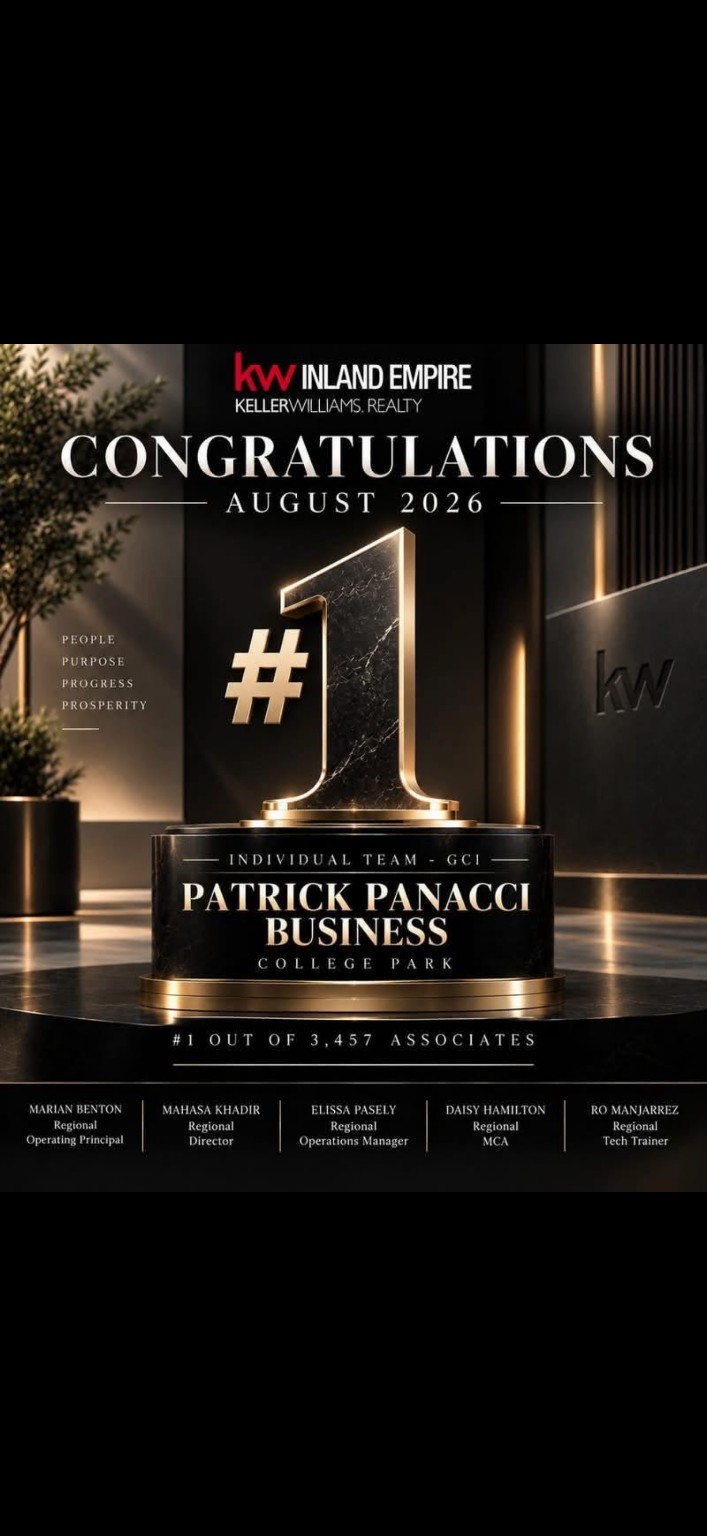
Patrick Panacci is a California real-estate professional (KW Inland Empire) and a HAVENGAI customer. His Keller Williams Inland Empire recognition (August 2026) placed him #1 out of 3,457 associates in the Individual Team · GCI category. HAVENGAI's Position Scan for his business was assessed September 12, 2026.
Ask a question about Web Design in Sacramento
Wondering whether web design makes sense for your Sacramento business? Ask below — a real person reads every question.